Digital forensics is crucial for investigating crimes‚ utilizing computer systems and digital artifacts; it’s a fundamental role in prosecution and legal proceedings.
Investigations leverage forensic science‚ though relatively under-explored‚ and involve a typical process outlined in available documentation and handbooks.
Defining Digital Forensics
Digital forensics‚ at its core‚ represents the application of scientifically proven investigation techniques to gather‚ preserve‚ analyze‚ and present digital evidence. This discipline extends beyond simply recovering deleted files; it’s a meticulous process focused on establishing facts within a legally admissible framework.
The field involves examining computer systems‚ digital storage media‚ network devices‚ and increasingly‚ a vast array of digital artifacts. It’s not merely about technology‚ but about understanding how data is created‚ stored‚ and potentially altered. A key aspect is ensuring the integrity of evidence throughout the investigation.
Crucially‚ digital forensics plays a fundamental role in both criminal and civil investigations. It aids in the prosecution of crimes‚ supports legal disputes‚ and assists in internal corporate investigations. The process demands a thorough understanding of legal procedures and adherence to strict guidelines to ensure evidence is admissible in court. Resources like handbooks detail these aspects.
The Role of Forensics in Investigations
Digital forensics is a vital component of modern investigations‚ significantly impacting the criminal justice system. Police utilize forensic science extensively‚ though its complexities are often under-explored. It provides crucial evidence for both identifying perpetrators and establishing guilt or innocence.
The role extends beyond criminal cases‚ encompassing civil litigation‚ internal corporate investigations‚ and even intellectual property disputes. Forensic analysis can uncover hidden data‚ reveal patterns of activity‚ and reconstruct events with a high degree of accuracy. This capability is invaluable when traditional investigative methods fall short.
Investigations benefit from the ability to analyze digital artifacts‚ offering insights into motives‚ timelines‚ and connections between individuals. Properly conducted forensic work ensures evidence is legally sound and admissible in court‚ strengthening the prosecution’s case or defending against false accusations. Handbooks and resources detail these investigative applications.
Scope of Digital Forensics – Beyond Computers
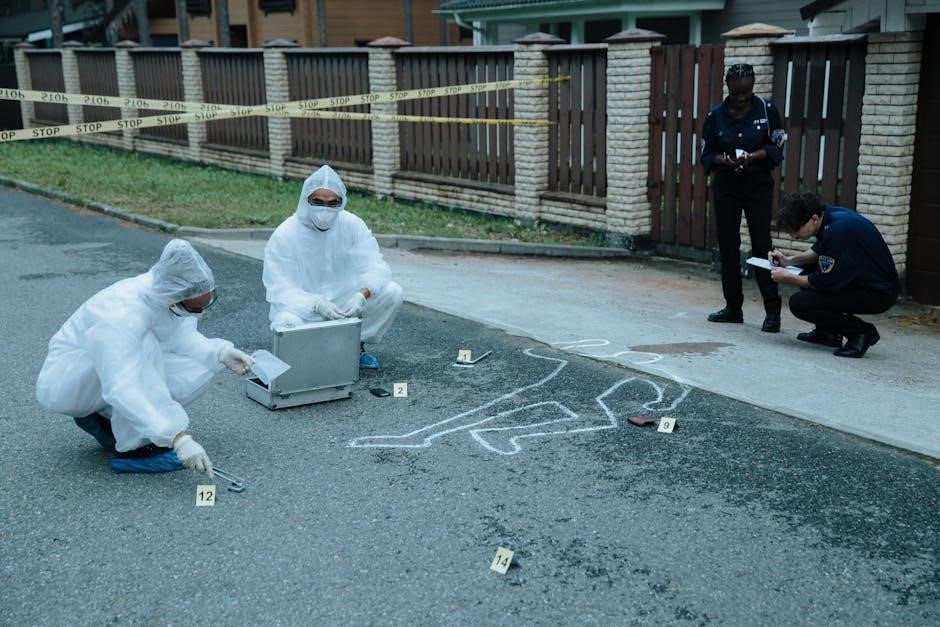
Digital forensics extends far beyond traditional computer investigations‚ encompassing a vast and growing range of digital devices and data sources. While computers remain central‚ the scope now includes mobile devices – smartphones‚ tablets – which often hold critical evidence like location data‚ communications‚ and application usage.
Furthermore‚ the field incorporates multimedia forensics‚ analyzing images‚ audio‚ and video for authenticity and manipulation. This is crucial in cases involving surveillance footage or digitally altered evidence. Specialized disciplines like forensic anthropology and archaeology contribute by examining digital records related to human remains or crime scenes.
Even seemingly unrelated areas‚ such as tool mark evidence examination‚ can intersect with digital forensics through documentation and analysis software. The increasing prevalence of IoT (Internet of Things) devices expands the scope further‚ requiring expertise in analyzing data from smart home devices‚ vehicles‚ and wearable technology. Essentially‚ any device that stores or transmits digital information falls within its purview.
Fundamental Principles of Forensic Investigations
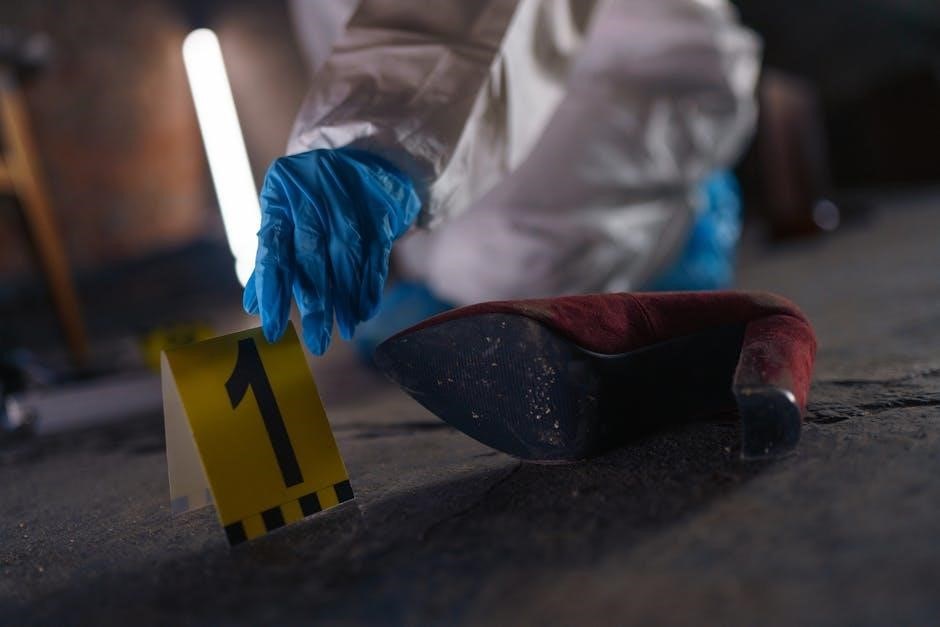
Forensic investigations demand strict adherence to principles like chain of custody‚ evidence preservation‚ and ensuring data integrity and authentication for legal validity.
Chain of Custody
Maintaining a meticulous chain of custody is paramount in digital forensics‚ representing the chronological documentation detailing the seizure‚ secure storage‚ and handling of digital evidence. This process establishes the evidence’s integrity and admissibility in court.
Every individual who handles the evidence – from the initial responder at a crime scene to the analyst in the lab and ultimately‚ the presenting expert witness – must be precisely recorded. This record includes the date and time of transfer‚ a detailed description of the evidence‚ and the purpose of the transfer.
Any break in the chain‚ even a seemingly minor one‚ can cast doubt on the evidence’s authenticity and potentially render it inadmissible. Therefore‚ strict protocols‚ including sealed evidence containers‚ tamper-evident packaging‚ and detailed logs‚ are essential. Proper documentation demonstrates that the evidence hasn’t been altered or compromised‚ bolstering its credibility throughout the legal process.
Preservation of Evidence
Effective preservation of digital evidence is critical to a successful forensic investigation‚ demanding a careful and methodical approach to prevent alteration‚ damage‚ or loss. This begins at the point of identification and continues throughout the entire process.

The primary goal is to maintain the evidence in its original state as closely as possible. This often involves creating a forensic image – a bit-for-bit copy of the original storage medium – ensuring the original remains untouched. Write-blockers are essential tools‚ preventing any modifications to the source drive during imaging.
Proper handling and storage are also vital. Evidence should be secured in tamper-evident containers‚ protected from environmental factors like temperature and humidity‚ and access strictly controlled. Detailed documentation of all preservation steps‚ including imaging procedures and storage conditions‚ is crucial for maintaining the evidence’s integrity and admissibility in court.
Integrity and Authentication of Digital Evidence
Maintaining the integrity and authentication of digital evidence is paramount for its admissibility in legal proceedings. This ensures the evidence presented is genuine‚ unaltered‚ and reliably linked to the case.
Hashing algorithms‚ such as MD5 or SHA-256‚ play a vital role. These algorithms generate a unique “fingerprint” of the digital evidence. Any change to the data‚ even a single bit‚ will result in a different hash value‚ immediately indicating tampering. These hash values are meticulously documented as part of the chain of custody.
Authentication further verifies the source and reliability of the evidence. This can involve verifying digital signatures‚ timestamps‚ and corroborating evidence from multiple sources. A robust chain of custody‚ detailing every person who handled the evidence and the actions they performed‚ is essential for demonstrating its integrity and establishing its authenticity throughout the investigation.

Types of Digital Evidence
Digital evidence encompasses diverse sources‚ including hard drives‚ network logs and packets‚ and data from mobile devices – each requiring specialized forensic techniques for extraction.
Hard Drive Evidence
Hard drives represent a primary source of digital evidence in many investigations‚ containing operating system files‚ user data‚ and remnants of deleted information. Forensic examination of hard drives involves creating a bit-for-bit copy‚ or image‚ to preserve the original evidence and allow for non-destructive analysis.
This imaging process ensures data integrity‚ crucial for legal admissibility. Analysts then utilize specialized tools like EnCase or FTK (Forensic Toolkit) to search for relevant files‚ keywords‚ and patterns within the drive image. Recovering deleted files is a common task‚ as simply deleting a file often doesn’t erase the underlying data.
Furthermore‚ examining file metadata – such as creation‚ modification‚ and access times – can provide valuable insights into user activity. Analyzing the file system itself‚ including the Master File Table (MFT) in NTFS systems‚ reveals crucial information about file allocation and storage. The examination process requires meticulous documentation to maintain the chain of custody and ensure the evidence’s reliability in court.
Network Evidence (Logs‚ Packets)
Network evidence‚ encompassing logs and packet captures‚ provides a crucial timeline of communication and activity. Analyzing network logs – generated by firewalls‚ routers‚ and servers – reveals connection attempts‚ data transfers‚ and user access patterns. These logs are invaluable for reconstructing events and identifying potential malicious activity.
Packet captures‚ obtained through tools like Wireshark‚ record the raw data transmitted across a network. Examining these packets allows investigators to analyze communication protocols‚ identify suspicious payloads‚ and reconstruct network sessions. This is particularly useful in investigating intrusions‚ data breaches‚ and malware infections.
However‚ network evidence can be voluminous and complex. Effective analysis requires filtering‚ correlation‚ and a deep understanding of network protocols. Maintaining the integrity of packet captures is paramount‚ requiring secure storage and documented chain of custody. Proper time synchronization across network devices is also essential for accurate event correlation and timeline reconstruction.
Mobile Device Forensics
Mobile device forensics presents unique challenges due to the diverse operating systems (iOS‚ Android)‚ encryption methods‚ and data storage formats. Smartphones and tablets often contain a wealth of information‚ including call logs‚ SMS messages‚ contacts‚ photos‚ videos‚ location data‚ and application data.
Extraction methods range from logical acquisition – retrieving data accessible through the operating system – to physical acquisition – creating a bit-for-bit copy of the device’s storage. Physical extraction provides the most comprehensive data recovery but may require specialized tools and techniques to bypass security measures.
Challenges include passcode protection‚ full-disk encryption‚ and anti-forensic techniques employed by users. Investigators must adhere to legal guidelines regarding data privacy and obtain appropriate warrants or consent. Analyzing extracted data requires specialized software and expertise to parse complex file systems and decode encrypted data‚ revealing crucial evidence in investigations.

The Forensic Investigation Process
Investigations typically involve identification‚ careful collection and preservation of evidence‚ and thorough examination and analysis to reconstruct events and uncover digital truths.
Identification
The initial phase of a forensic investigation centers on accurately identifying potential sources of digital evidence. This crucial step involves recognizing and documenting all relevant computer systems‚ networks‚ and digital storage devices potentially linked to the incident under scrutiny.
Investigators must meticulously pinpoint the location of these assets‚ noting their physical characteristics and current state. This includes identifying the type of device‚ operating system‚ and any connected peripherals. Furthermore‚ recognizing the scope of potential evidence – encompassing hard drives‚ network logs‚ and mobile devices – is paramount.
Proper identification lays the groundwork for subsequent stages‚ ensuring that no crucial evidence is overlooked. It’s a foundational element‚ directly impacting the integrity and admissibility of findings presented in legal proceedings. Accurate documentation during this phase is absolutely essential for maintaining a clear and defensible chain of custody.
Collection and Preservation
Following identification‚ the meticulous collection and preservation of digital evidence become paramount. This phase demands strict adherence to established protocols to maintain the integrity of the data and ensure its admissibility in court. Investigators must employ forensically sound methods‚ avoiding any actions that could alter or damage the original evidence.
Techniques include creating bit-stream copies – exact duplicates of the original data – using specialized hardware and software tools. These copies are then analyzed‚ leaving the original evidence untouched. Proper documentation of the collection process‚ including dates‚ times‚ and personnel involved‚ is critical for establishing a clear chain of custody.
Secure storage of evidence is also vital‚ protecting it from unauthorized access‚ modification‚ or destruction. Maintaining a detailed record of all handling procedures is essential‚ demonstrating a commitment to preserving the evidentiary value of the collected data throughout the investigation.
Examination and Analysis
Following secure collection and preservation‚ the examination and analysis phase commences‚ employing specialized forensic tools and techniques. This stage involves a systematic and methodical approach to uncover relevant information hidden within the digital evidence. Investigators utilize software like EnCase and FTK (Forensic Toolkit) to dissect data‚ recover deleted files‚ and identify patterns or anomalies.
Analysis extends to network evidence‚ scrutinizing logs and packet captures for suspicious activity. Mobile device forensics extracts data from smartphones and tablets‚ revealing call histories‚ messages‚ and location data. Furthermore‚ investigators may encounter steganography – the concealment of data within other files – requiring specialized detection tools.
The goal is to reconstruct events‚ establish timelines‚ and identify potential perpetrators. Detailed reports documenting the findings‚ methodologies used‚ and conclusions reached are crucial for presenting the evidence in a clear and understandable manner during legal proceedings.

Forensic Tools and Technologies
Essential tools like EnCase‚ FTK‚ and steganography detection software are vital for examining digital evidence‚ recovering data‚ and analyzing complex investigations effectively.
EnCase
EnCase stands as a cornerstone in the digital forensics landscape‚ renowned for its comprehensive suite of capabilities designed to address a wide spectrum of investigative needs. This powerful software facilitates in-depth disk imaging‚ allowing for bit-by-bit copies of storage devices to preserve original evidence. Its advanced search functionalities enable investigators to quickly locate crucial data within vast datasets‚ employing keyword searches‚ hash values‚ and file signatures.
Furthermore‚ EnCase excels in data analysis‚ offering features for timeline creation‚ file carving‚ and registry analysis. These tools help reconstruct events and uncover hidden information. The software supports numerous file systems and data formats‚ ensuring compatibility with diverse evidence sources. EnCase also provides robust reporting features‚ generating detailed documentation of findings for legal proceedings. It’s a widely adopted solution by law enforcement‚ government agencies‚ and corporate security teams‚ solidifying its position as an industry standard.

FTK (Forensic Toolkit)
FTK (Forensic Toolkit)‚ developed by AccessData‚ is another leading digital forensics platform‚ offering a robust set of tools for acquiring‚ processing‚ and analyzing digital evidence. Like EnCase‚ FTK supports comprehensive disk imaging and data preview capabilities‚ allowing investigators to quickly assess evidence without full processing. Its indexing engine rapidly catalogs files and data‚ facilitating efficient searching and retrieval.
FTK distinguishes itself with its advanced reporting features and ability to handle large datasets effectively. It provides detailed graphical timelines and relationship mapping‚ aiding in the reconstruction of events. The toolkit also includes specialized modules for email analysis‚ password cracking‚ and registry analysis. FTK is frequently utilized in both law enforcement and corporate investigations‚ offering a scalable solution for complex cases. It’s often mentioned alongside EnCase as a premier tool in the field‚ as highlighted in resources like the Handbook of Computer Crime Investigation.
Steganography Detection Tools
Steganography‚ the art of concealing messages within other files‚ presents a unique challenge in digital forensics. Dedicated tools are essential for uncovering these hidden communications. These tools analyze files – images‚ audio‚ video‚ and text – for anomalies indicative of embedded data. They examine file structures‚ looking for unusual patterns or inconsistencies that deviate from expected norms.
Several software packages specialize in steganography detection‚ employing various techniques like statistical analysis and visual inspection. These tools can identify the presence of hidden data‚ and in some cases‚ extract the concealed message. Resources like Mann and Moore’s work on Steganography and Digital forensics emphasize the importance of these techniques. Detecting steganography often requires a combination of automated tools and manual analysis‚ as skilled practitioners can employ sophisticated methods to hide information effectively. The ability to identify and reveal these hidden messages is crucial for complete investigations.

Specialized Forensic Disciplines
Forensic disciplines encompass multimedia analysis‚ anthropological/archaeological investigations‚ and detailed tool mark evidence examination – all vital for comprehensive crime scene reconstruction.
Multimedia Forensics

Multimedia forensics represents a specialized branch of digital forensics‚ focusing on the recovery‚ analysis‚ and authentication of digital media such as images‚ audio‚ and video files. This discipline is increasingly important due to the prevalence of multimedia evidence in modern investigations.
The examination process often involves verifying the integrity of the media‚ determining its origin and authenticity‚ and uncovering any alterations or manipulations. Techniques employed include analyzing metadata‚ examining compression artifacts‚ and utilizing specialized software to detect tampering.
Recovering deleted or hidden multimedia content is a key aspect‚ alongside identifying the devices used to create or modify the files. Multimedia forensics plays a critical role in cases involving fraud‚ intellectual property theft‚ and the investigation of criminal activities documented through digital media. It requires a deep understanding of multimedia formats‚ encoding techniques‚ and forensic tools.
Forensic Anthropology and Archaeology
Forensic anthropology and archaeology constitute a specialized forensic discipline‚ applying skeletal analysis and archaeological recovery techniques to legal investigations. This field provides crucial insights into human remains‚ assisting in identification‚ determining cause and manner of death‚ and establishing a timeline of events.
Forensic anthropologists analyze skeletal remains to estimate age‚ sex‚ ancestry‚ and stature‚ while also identifying trauma or disease. Archaeological methods are employed to carefully excavate and document remains and associated artifacts at crime scenes‚ preserving contextual information.
This interdisciplinary approach extends beyond skeletal remains‚ encompassing the recovery and analysis of buried evidence. It’s a broader view‚ as highlighted in publications like Soren Blau and Douglas H. Ubelaker’s work‚ offering a historical perspective on the disciplines and their evolution within forensic science. The combined expertise aids in reconstructing events and providing valuable evidence for legal proceedings.
Tool Mark Evidence Examination
Tool mark evidence examination is a specialized area within forensic science focused on analyzing impressions left by tools on various surfaces. This discipline plays a vital role in linking suspects to crime scenes and reconstructing events through the unique characteristics of tool marks.
The process involves meticulous examination of a wide variety of tool marks – from those created by screwdrivers and pliers to more specialized instruments. Experts analyze these marks to determine the type of tool used‚ its specific features‚ and potentially‚ even identify the individual tool itself.
Comprehensive resources‚ such as dedicated handbooks‚ detail all aspects of tool mark evidence‚ covering the journey from crime scene documentation to courtroom presentation. This includes careful collection‚ preservation‚ and comparison of marks against known tools‚ providing crucial evidence for investigations and legal proceedings.