Manual Die Cut Machine: A Comprehensive Guide
Manual die cut machines are essential tools for crafters, offering precise cutting of diverse materials. They range from portable, lever-based models to robust platen-style options.
What is a Manual Die Cut Machine?
Manual die cut machines are mechanical tools used to cut shapes from various materials, relying on physical force rather than electricity. Unlike their digital counterparts, these machines utilize a hand-operated mechanism – often a lever or a platen – to press a die through the material.
Crafters, scrapbookers, and designers frequently employ them for creating intricate designs in paper, cardstock, and thin plastics. They are prized for their portability, cost-effectiveness, and ability to produce detailed cuts without the need for computer software or power sources, making them a staple in many crafting studios.
The History of Manual Die Cutting
Manual die cutting’s origins trace back to the 19th century, initially employed in industrial settings for mass production of materials like leather and paperboard. Early machines were large and complex, used for creating packaging and labels.
The technology gradually evolved, becoming more accessible to crafters in the 20th century. The introduction of smaller, hand-operated machines revolutionized crafting, allowing for intricate designs. Today, manual die cutting remains a popular technique, blending historical methods with modern creative applications.
How Manual Die Cut Machines Work
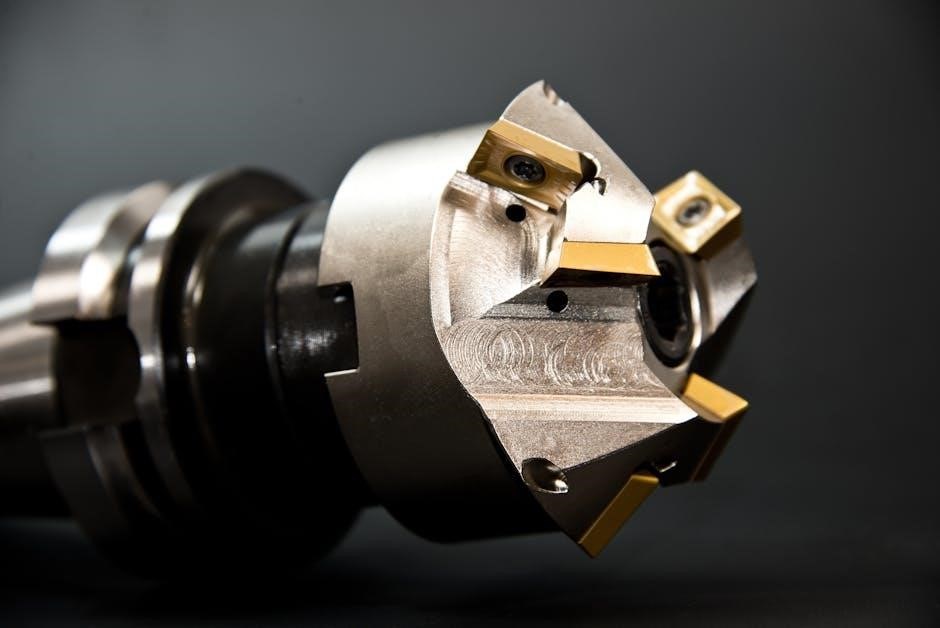
Manual die cut machines utilize pressure to shear materials using a die – a specialized cutting blade. A die, along with a cutting plate, is placed onto the machine’s bed. The material to be cut is positioned above the die.
Applying manual force, typically via a lever or a platen, presses the die through the material. This creates clean, precise cuts, mirroring the die’s shape. The process requires physical effort but delivers accurate results for various crafting projects.
Types of Manual Die Cut Machines
Manual die cut machines broadly fall into two categories: lever-based and platen-style. Lever-based machines employ a hand-operated lever to generate the necessary cutting pressure, ideal for smaller projects and portability.
Platen-style machines, conversely, feature a flat upper platen that is manually pressed down onto the die and material. These offer greater force and are suited for thicker materials or more intricate designs, providing versatility for crafters.
Lever-Based Machines
Lever-based manual die cut machines are renowned for their simplicity and portability, making them excellent choices for beginners or crafters with limited space. These machines utilize a long lever arm, which the user presses down to apply pressure to the die.
This action forces the die to cut through the chosen material. They are particularly well-suited for simpler designs and smaller projects, offering a tactile and controlled cutting experience.
Platen-Style Machines
Platen-style manual die cut machines feature a flat upper platen that descends onto a die placed on a flat base. These machines generally offer more power and precision than lever-based models, allowing for cutting thicker or more complex materials.
They are often favored by experienced crafters tackling larger or more intricate projects, providing consistent results with each impression. The robust construction ensures durability and longevity.
Materials You Can Cut with a Manual Die Cut Machine
Manual die cut machines demonstrate remarkable versatility, handling a wide array of materials beyond just paper. Common choices include various weights of paper & cardstock, ideal for cards and scrapbooking. Thin chipboard adds dimension to projects, while foil & craft plastics introduce unique textures and effects.
The machine’s ability to cleanly cut these diverse materials makes it a crafter’s staple.
Paper & Cardstock
Paper and cardstock are the most frequently used materials with manual die cut machines, offering exceptional results. Lightweight papers create delicate designs, while heavier cardstock provides structure for cards, boxes, and dimensional elements. The machine effortlessly cuts intricate patterns, letters, and shapes from these materials.
Experimenting with different weights and textures unlocks endless creative possibilities for crafters.
Thin Chipboard
Thin chipboard, though slightly more challenging than paper, is readily cut by many manual die cut machines. It’s ideal for creating sturdy embellishments, tags, and small boxes, adding a durable element to projects. Using a slightly stronger pressure setting and sharp dies is crucial for clean cuts.
This material provides a robust base for various crafting applications, enhancing project longevity.
Foil & Craft Plastics
Foil and craft plastics present a unique challenge for manual die cutting, requiring specialized dies and techniques. Success hinges on using a sharp die, a textured cutting pad, and applying consistent, even pressure. These materials often benefit from multiple passes through the machine.
Achieving clean cuts minimizes tearing and ensures professional-looking results in your crafting endeavors.
Die Cutting vs. Digital Cutting: Key Differences
Die cutting, often utilized for mass production, employs pre-made dies to physically cut shapes. Conversely, digital cutting leverages computer-controlled machines with blades or lasers, guided by digital designs. Manual die cutting excels in simplicity and portability, while digital cutting offers intricate designs and efficiency.
Digital methods are best for larger production runs and complex patterns.
Advantages of Using a Manual Die Cut Machine
Manual die cut machines present several benefits. They are remarkably cost-effective, eliminating the need for expensive software or electricity. Their portability and compact size make them ideal for crafters with limited space. Furthermore, they require no power source, offering flexibility in usage.
These machines are perfect for smaller projects and offer a tactile crafting experience.
Cost-Effectiveness
Manual die cut machines stand out due to their affordability. Unlike digital counterparts requiring costly software subscriptions and ongoing maintenance, manual machines represent a one-time investment. This makes them accessible to hobbyists and crafters on a budget.
The initial purchase is significantly lower, and operating costs are minimal, offering substantial long-term savings.
Portability & Space Saving
Manual die cut machines excel in portability, requiring no electrical outlet for operation. Their compact designs make them ideal for crafters with limited workspace or those who enjoy taking their projects on the go.
Unlike bulky digital cutters, manual machines easily fit into storage spaces, offering convenience and flexibility for various crafting environments.
No Electricity Required
A significant advantage of manual die cut machines is their independence from electrical power. This feature makes them exceptionally versatile, allowing crafting sessions anywhere – from a quiet room to outdoor events – without needing a power source.
This self-sufficiency also eliminates concerns about power outages interrupting creative flow, ensuring uninterrupted project completion and offering reliable performance.
Disadvantages of Using a Manual Die Cut Machine
Despite their benefits, manual die cut machines have limitations. They require significant physical effort, potentially causing fatigue during extended use, especially with thicker materials. Design complexity is also restricted compared to digital cutters, limiting intricate patterns.
Furthermore, production speed is slower, making them less suitable for large-scale projects where efficiency is paramount. These factors should be considered when choosing a cutting method.
Physical Effort Required
A primary drawback of manual die cut machines is the physical exertion needed for operation. Unlike their electric counterparts, these machines rely entirely on the user’s strength to apply pressure and turn handles or levers.
This can lead to hand and arm fatigue, particularly during prolonged crafting sessions or when working with dense materials like chipboard. Consistent, firm pressure is crucial for clean cuts.
Limited Complexity of Designs
Manual die cut machines, while versatile, often struggle with highly intricate designs compared to digital cutting machines. The force applied manually can sometimes distort finer details within a die.
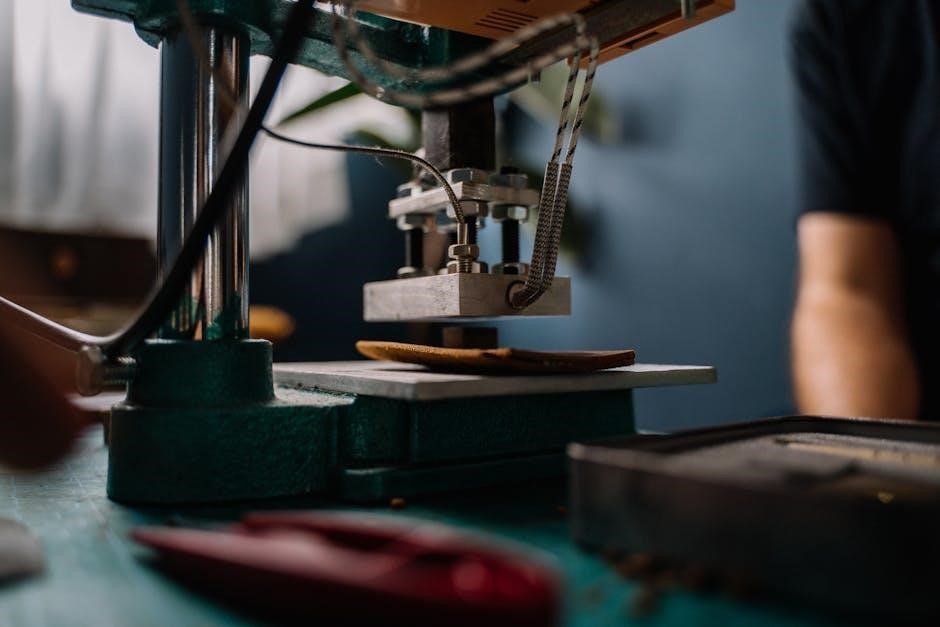
Complex patterns with very small or delicate elements may not cut cleanly, resulting in tearing or incomplete shapes. Digital cutters excel at precision, handling elaborate designs with greater ease and accuracy.
Slower Production Speed
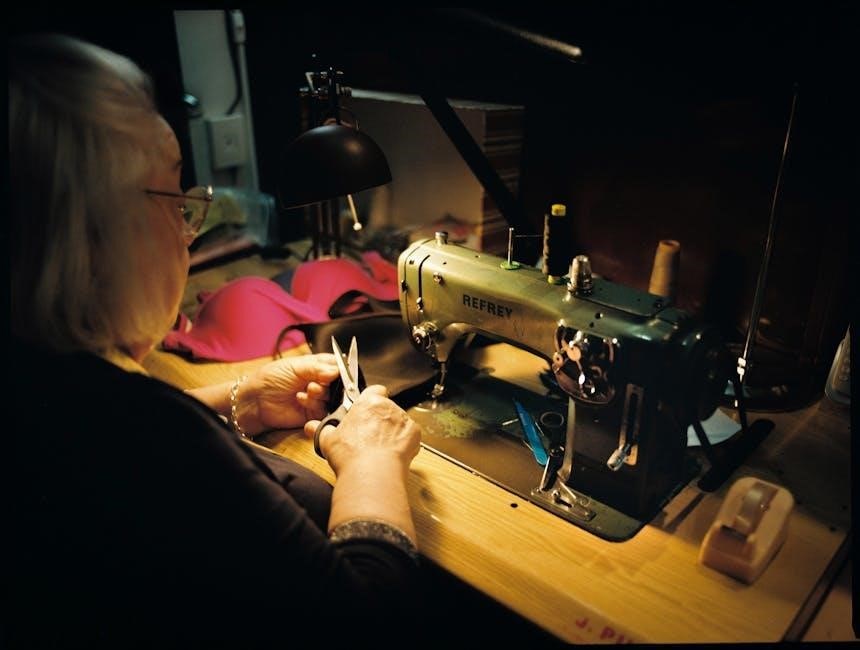
Manual die cut machines inherently operate at a slower pace than their automated counterparts. Each cut requires physical effort and manual operation of the machine, limiting the volume of items produced within a given timeframe.
For large-scale projects or mass production, this can be a significant drawback. Digital cutting machines, with their automated processes, can dramatically increase output, making them ideal for commercial applications.
Essential Accessories for Manual Die Cut Machines
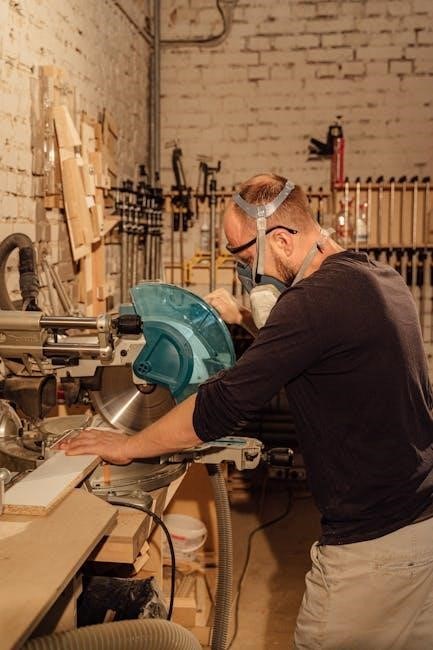
To maximize the versatility of your manual die cut machine, several accessories are crucial. Die sets, containing the cutting shapes, are fundamental, offering a vast range of designs. Cutting plates provide a smooth surface for clean cuts and protect the machine’s base.
Embossing folders add texture and dimension to projects. Additional tools like shims and magnetic sheets further enhance precision and ease of use.
Die Sets
Die sets are the heart of any manual die cutting system, containing precisely crafted metal blades that define the shapes to be cut. They come in countless designs – florals, letters, borders, and intricate patterns – catering to diverse crafting needs.
High-quality die sets ensure clean, accurate cuts, while compatibility with your machine is essential. Investing in a variety of sets expands creative possibilities significantly.
Cutting Plates
Cutting plates are crucial components, providing a smooth, even surface for the die to create clean cuts. Typically made of durable plastic or acrylic, they protect both the die and the machine’s baseplate from damage during the cutting process.
Using the correct cutting plate thickness is vital for optimal results; different materials and machines may require varying plate thicknesses for best performance.
Embossing Folders
Embossing folders, used in conjunction with manual die cut machines, add beautiful textured designs to paper and cardstock. These folders feature raised patterns that, when run through the machine with a cutting plate, create a debossed or embossed effect.
They offer a quick and easy way to elevate cardmaking, scrapbooking, and other paper crafting projects, adding depth and visual interest without complex techniques.
Choosing the Right Manual Die Cut Machine
Selecting the ideal manual die cut machine requires careful consideration of your crafting needs. Assess your project scope – simple shapes or intricate designs? Budget is crucial; machines vary significantly in price. Consider machine size and weight, especially if space is limited or portability is desired.
Prioritize compatibility with your preferred die sets and materials for optimal results and long-term satisfaction.
Consider Your Project Needs
Before investing, thoroughly evaluate your crafting projects. Are you focused on simple card making, or complex scrapbook layouts? Intricate designs demand machines capable of handling detailed dies. Frequency of use matters; occasional crafters may need less robust models.
Material choices – paper, cardstock, or thicker materials – influence the required machine strength and die compatibility.
Budget Considerations
Manual die cut machines span a wide price range, from affordable entry-level options to professional-grade investments. Initial costs include the machine itself, plus essential accessories like die sets and cutting plates.
Factor in the ongoing expense of dies, as building a collection can add up. Consider starter kits offering a machine and basic dies for value. Prioritize quality within your budget for longevity.
Machine Size and Weight
Manual die cut machines vary significantly in size and weight, impacting portability and storage. Smaller, lightweight models are ideal for crafters with limited space or those who travel frequently.
Larger, heavier machines generally offer more cutting power and accommodate wider materials. Assess your workspace and storage capacity before purchasing. Consider the physical effort required to operate heavier machines regularly.
Popular Brands of Manual Die Cut Machines
Sizzix is a widely recognized brand, known for its extensive range of dies and user-friendly machines, catering to both beginners and experienced crafters. Spellbinders specializes in intricate die designs and innovative cutting technology, appealing to those seeking detailed results.
Lifestyle Crafts offers affordable options without compromising quality, making die cutting accessible to a broader audience. Each brand provides unique features and die collections, influencing project possibilities.
Sizzix
Sizzix stands as a leading name in manual die cutting, renowned for its diverse product line and consistent quality. They offer machines like the Big Shot and Big Shot Plus, accommodating various die sizes and materials. Their extensive die collection spans themes from florals to alphabets, fueling creative projects.
Sizzix also provides accessories like cutting pads and embossing folders, enhancing the die-cutting experience. The brand’s accessibility and wide availability make it a popular choice for crafters of all skill levels.
Spellbinders
Spellbinders is highly regarded within the die-cutting community, particularly celebrated for its intricate and elegant die designs. They specialize in wafer-thin dies, offering exceptional detail and versatility for paper crafting. Their machines, like the Platinum 6, are known for their precision and ability to handle multiple die layers simultaneously.
Spellbinders also fosters a strong community through workshops and online resources, inspiring creativity and skill development among enthusiasts.
Lifestyle Crafts
Lifestyle Crafts offers a range of affordable and user-friendly manual die-cutting machines, making them a popular choice for beginners and hobbyists. Their Epic 6 machine is particularly well-known for its compatibility with various die brands and its robust construction.
Lifestyle Crafts focuses on providing accessible crafting solutions, empowering individuals to explore their creativity without a significant financial investment.
Troubleshooting Common Issues
Paper jams are frequent, often caused by feeding too much material or using damaged dies; carefully remove the obstruction. Uneven cuts can stem from inconsistent pressure or dull blades – ensure even force and replace worn components. Die plate damage, though less common, requires careful handling and storage to prevent warping or cracking.
Regular inspection and proper technique minimize these issues, ensuring smooth operation.
Paper Jams
Paper jams are a common frustration with manual die cut machines, typically occurring when feeding too many paper layers simultaneously or when the material isn’t aligned correctly. Always ensure a smooth, even feed. If a jam happens, never force the handle; gently release pressure and carefully extract the stuck paper.
Inspect dies for damage, as bent or broken pieces can contribute to jams.
Uneven Cuts
Uneven cuts often indicate inconsistent pressure application during the die-cutting process. Ensure you’re applying firm, even pressure throughout the entire handle movement. Check your cutting plates; worn or damaged plates can lead to inconsistent results. Also, verify the die itself is clean and free of debris.
Experiment with shims to adjust pressure if needed.
Die Plate Damage
Die plate damage, such as bending or cracking, significantly impacts cut quality and can even harm your machine. Avoid forcing dies through the machine; excessive force is a primary cause of damage. Regularly inspect plates for wear and tear, replacing them when necessary.
Proper storage is crucial – keep plates flat and protected from impact.
Safety Precautions When Using a Manual Die Cut Machine
Prioritize safety when operating a manual die cut machine. Always keep fingers clear of the cutting path during operation, as the blades are incredibly sharp. Never attempt to disassemble the machine while it’s under pressure.
Wear appropriate eye protection to shield against any potential debris. Supervise children closely if they are observing or assisting.
Maintenance and Care
Regular maintenance extends the life of your manual die cut machine. After each use, thoroughly clean cutting plates and dies to remove paper scraps and residue. Store dies properly to prevent bending or damage.
Periodically inspect the machine for loose parts and tighten as needed. Lubricate moving components according to the manufacturer’s instructions to ensure smooth operation and prevent wear.
Where to Buy Manual Die Cut Machines
Manual die cut machines are widely available at various retailers. Craft stores like Joann Fabrics and Michaels typically stock popular brands such as Sizzix and Spellbinders. Online marketplaces, including Amazon and specialty crafting websites, offer a broader selection and competitive pricing.
Directly purchasing from brand websites can also provide exclusive deals and access to the full product range.
Future Trends in Die Cutting Technology
While digital cutting gains prominence, manual die cutting isn’t stagnant. Expect innovations in ergonomic designs, reducing physical strain. Hybrid machines – blending manual operation with digital precision – may emerge, offering a balance of control and complexity.
Sustainable die materials and more accessible, affordable options are also likely future developments, broadening the appeal of this classic craft technique.